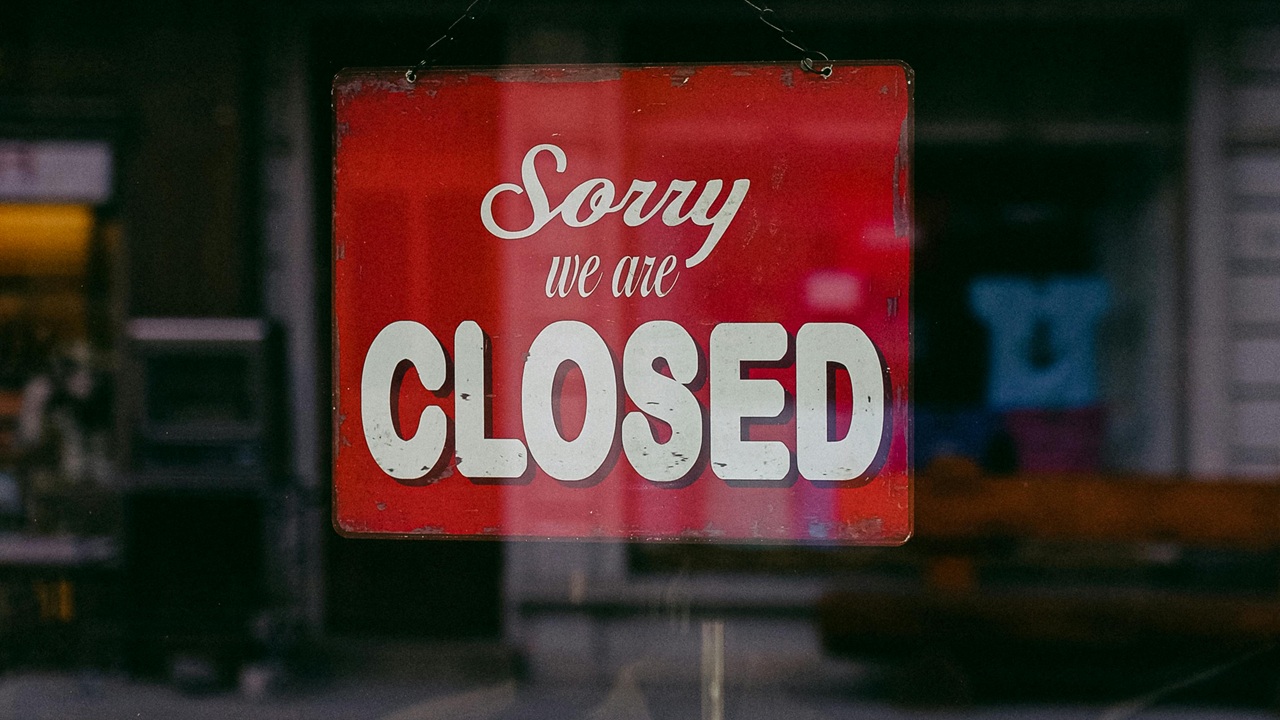

In the last few years, Kenya’s entrepreneurial landscape has undergone a paradigm shift. Once celebrated as a rising tech hub in Africa, the country has seen a string of high-profile company shutdowns, shaken investor confidence, and left thousands jobless. From well-funded startups to promising innovators, the downturn has spared no one.
At the heart of this collapse is a toxic mix of factors: tightened global funding, rising inflation, currency devaluation, harsh taxation policies, and mounting operational costs. The result? A brutal wake-up call that passion and potential are not enough in an increasingly volatile business environment. Here are 10 Kenyan companies that have shut down in the past year due to these harsh conditions—each with its own lessons.
1.Copia Global
To start with, Copia Global was founded in 2013. The good news is that this company used to offer e-commerce services to people who earn a low income in the country. Despite raising over $100 million in funding, the company entered administration in 2024 after failing to secure additional capital, leading to the layoff of all 1,500 employees.
2.Gro Intelligence
Gro Intelligence provided data-driven insights for food security and climate resilience, amassing over $115 million in funding. But beneath the surface lay leadership instability, financial mismanagement, and growing debts. In early 2024, the company shut down operations amidst investigations and lawsuits, showing that no amount of hype can substitute for sound governance.
3. MarketForce
With operations in five African countries and a $40 million Series A, MarketForce aimed to empower informal merchants. However, delayed investor commitments and strained cash flows during a global funding crunch proved fatal. In a candid blog post, the founders revealed that even a promising business model could not survive a dry funding pipeline.
4. iProcure
Once hailed as a backbone for rural agricultural supply chains, iProcure ran out of runway despite securing over $17 million in funding. Foreign exchange issues, rising costs, and a sudden freeze in funding brought operations to a halt. Its closure marked a significant blow to agri-distribution innovation in the region.
5. Sendy
Once one of Kenya’s most promising tech ventures, Sendy scaled rapidly across Africa, offering delivery and fulfillment services. But when the global tech downturn hit, the company couldn’t sustain its burn rate. It laid off hundreds before ultimately shutting down, citing the inability to secure long-term capital.
6. Notify Logistics
Notify promised to revolutionize retail by providing physical store space to small online vendors. But high rental costs, poor cash flow, and government crackdowns on unlicensed vendors forced the business to shutter its flagship outlets. What was once hailed as the future of hybrid commerce folded under financial and legal pressure.
7. Kune Foods
Kune’s ambitious plan was to deliver ready-to-eat meals to Nairobi’s working class. But heavy operating costs, especially in food production and logistics, burned through its $1 million seed funding in just over a year. The startup folded abruptly, showing the unforgiving nature of food-tech without strong margins.
8. BRCK
Initially built to solve Africa’s internet access problem with rugged Wi-Fi routers, BRCK pivoted into education. But even this move couldn’t shield it from rising costs, hardware challenges, and a pivot-heavy strategy that didn’t yield profitability. The shutdown was low-key, but the loss was deeply felt in tech circles.
9. Procter & Gamble
Another company that has greatly reduced its presence in Kenya is Procter & Gamble. In late 2023, the company announced it would shut down its Nairobi operations by the end of 2024, pointing to rising costs, a shortage of dollars, and falling sales as key reasons behind the move.
As a result, around 850 employees lost their jobs, and the local office was closed. Still, P&G hasn’t completely left the Kenyan market. Instead, it shifted to an import-only model, with products like Pampers, Always, Ariel, Gillette, and Oral-B now being distributed through local partners.
10.Sky.Garden
Sky.Garden offered an easy-to-use online storefront for small businesses. However, with investor appetite drying up and Kenya’s e-commerce logistics still maturing, the startup ran out of capital. It briefly found a buyer, but the business could not be salvaged in the long run.
Conclusion
The collapse of these companies sends a clear message: the business environment in Kenya—while full of opportunity—is increasingly treacherous for startups. The funding slowdown is global, but local issues like tax policy, unstable currency, and regulatory uncertainty have compounded the problem. These closures also call for deeper structural reforms: easier access to local capital, better government support for innovation, and policies that encourage sustainable entrepreneurship.